


 (813) 804-COOL(2665)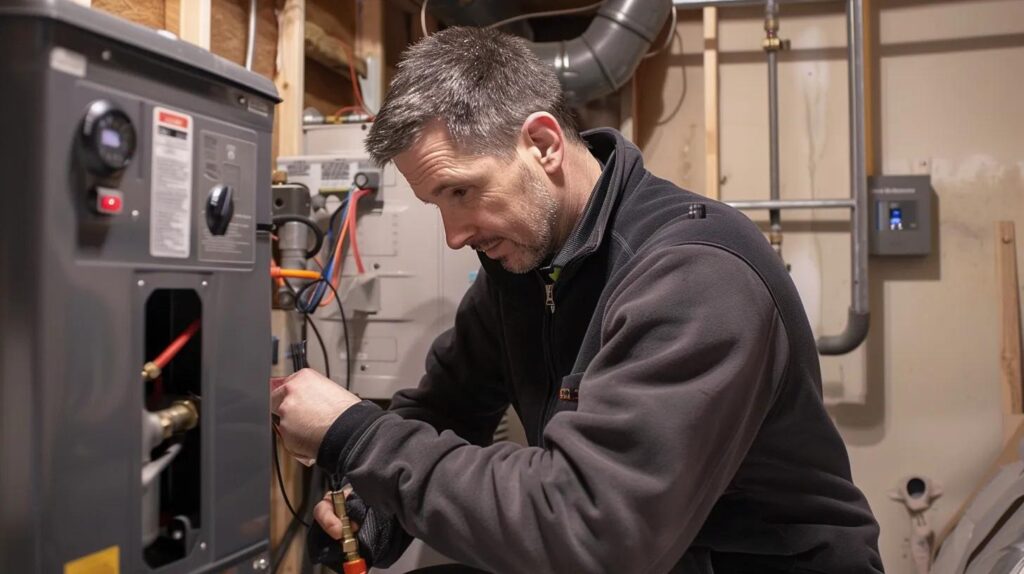
What Goes Into a Successful Furnace Installation Process: Professional Steps, Costs, and Best Practices
Getting a furnace installed the right way matters — for comfort, safety, and your energy bills. This guide walks through the key steps of a professional furnace installation, what affects the price, and smart practices to keep your system efficient and safe. Homeowners often struggle with choosing the right unit and making sure it’s installed correctly. Knowing the process and why licensed technicians help will let you plan confidently. Below we cover installation phases, cost drivers, financing options, efficiency tips, emergency service situations, and why licensed installers make a difference. A properly installed furnace not only provides consistent warmth but also operates more reliably and lasts longer, making it a crucial investment for any homeowner.
What Are the Essential Furnace Installation Steps for a Reliable Setup?
A dependable furnace installation follows a clear sequence so the system runs safely and efficiently from day one. Each stage focuses on a specific task — from sizing the unit to showing you how it works. Adhering to these steps ensures optimal performance and prevents common issues that can arise from improper installation.
How Do Licensed Technicians Perform Each Installation Phase?
Licensed technicians use a step-by-step process during furnace installation, including:
- Assessment : Measuring your space and load needs to pick the right furnace size and type — often using Manual J calculations to get it right. This critical first step ensures the chosen unit is neither too large nor too small for your home, preventing inefficient operation and premature wear.
- Preparation : Getting the area ready, which can mean updating ductwork, adjusting vents, or preparing electrical and gas connections. Proper preparation is key to a smooth installation and ensures all components are compatible and up to code.
- Installation : Setting the furnace in place and hooking it up to gas lines, wiring and ducts, following manufacturer specs. Every connection is meticulously checked to guarantee safety and optimal functionality.
- Testing : Running safety checks and performance tests so the system operates correctly and efficiently before we leave. This final verification confirms that the furnace is running as expected and meets all safety standards.
Following a detailed process like this helps avoid common problems and ensures reliable performance. It also minimizes the risk of future breakdowns and costly repairs.
Following established guidelines helps technicians install high-efficiency gas furnaces safely and effectively.
High-Efficiency Gas Furnace Installation Guidelines
ABSTRACT: This Measure Guideline explains best practices for installing high-efficiency gas furnaces. It covers when to choose a high-efficiency unit for retrofits, how to spot and mitigate risks, and the recommended steps for selecting and installing equipment. Written for Building America practitioners and HVAC contractors, the guideline compiles manufacturer guidance, research, and Department of Energy findings, plus recent results from the Partnership for Advanced Residential Retrofit (PARR) team.
Measure Guideline: High Efficiency Natural Gas Furnaces, 2012
What System Testing and Customer Education Are Included?
After installation, technicians complete system checks and walk you through basic operation. That typically includes:
- System Testing : Verifying airflow, checking for gas leaks, testing combustion efficiency, and confirming electrical connections. These comprehensive tests ensure every aspect of the furnace is functioning correctly and safely.
- Customer Education : Showing you how the system works, when to change filters, simple troubleshooting tips, and any routine maintenance tasks to keep performance steady. Understanding your new system empowers you to maintain its efficiency and address minor issues confidently.
This combination of testing and clear instructions helps you get comfortable with the new system and avoid surprises down the road. It also provides peace of mind, knowing you can operate and care for your furnace effectively.
How Much Does Professional Furnace Installation Cost and What Financing Options Exist?
Knowing what influences installation costs makes budgeting easier. Final price depends on the unit you choose, how complex the install is, and any extra work required. Understanding these variables upfront helps you prepare financially and avoid unexpected expenses.
Which Factors Influence Furnace Installation Pricing?
The main cost drivers include:
- Type of Furnace : Gas, electric, or oil units have different price ranges and operating costs. High-efficiency models, while more expensive initially, can offer significant long-term savings on energy bills.
- Installation Complexity : If ducts, vents, or electrical systems need upgrades, installation time and parts add to the cost. Older homes, in particular, may require more extensive modifications to accommodate modern furnace systems.
- Location Factors : Local labor rates, permit requirements, and regional market conditions affect pricing. These factors can vary significantly from one area to another, so it’s wise to get multiple local quotes.
Understanding these factors helps you compare estimates and make an informed decision. It allows you to see where your money is going and choose the best value for your investment.
What Financing Plans Help Manage Installation Expenses?
To spread out the cost, homeowners often use options such as:
- Installment Plans : Paying the installation over several months. Many HVAC companies offer flexible payment schedules directly or through third-party lenders.
- Credit Options : Using a credit card or personal loan where appropriate. This can be a good option for those who qualify for low-interest rates or need immediate financing.
- Promotional Offers : Seasonal discounts or manufacturer rebates that lower upfront cost. Keeping an eye out for these deals can significantly reduce your total expenditure.
These choices can make a professional installation more affordable while protecting your investment. Exploring these options ensures you can get the heating system you need without undue financial strain.
What Are the Best Practices for Energy Efficient and Safe Furnace Installation?
Applying best practices during installation improves efficiency, reduces running costs, and keeps your home safe. Small details at install time pay off over the life of the system. These practices are essential for maximizing your furnace’s performance and ensuring the well-being of your household.
How Do Energy Efficiency Ratings Impact Installation Choices?
Efficiency ratings like AFUE matter when picking a furnace. Higher AFUE means more of the fuel becomes usable heat, which can result in:
- Lower Energy Bills : More efficient furnaces use less fuel to heat your home. This translates to substantial savings over the lifespan of the unit, especially in colder climates.
- Environmental Benefits : Higher-efficiency models typically emit less carbon. Choosing an energy-efficient furnace contributes to a smaller carbon footprint and supports environmental sustainability.
Many homeowners find that choosing a 90%+ AFUE gas furnace (where appropriate) balances upfront cost with long-term savings. This balance makes high-efficiency units a smart investment for both your wallet and the planet.
Research highlights how efficiency ratings affect lifecycle cost and energy use for residential furnaces.
Residential Gas Furnace Efficiency & Cost Analysis
This paper analyzes life-cycle costs for households and the broader energy and economic impacts from efficiency improvements in U.S. residential furnaces. Most U.S. homes use central gas furnaces and the blower motor’s electricity use is significant. Because that same blower often runs year-round in homes with central air conditioning, improvements to fans and motors can save electricity across seasons. Current regulations require new residential gas furnaces to meet or exceed certain AFUE levels, and most models sold today meet or exceed those standards.
Electricity and Natural Gas Efficiency Improvements for Residential Gas Furnaces in the US, JE McMahon, 2006
What Safety Compliance Measures Are Required During Installation?
Safety is non-negotiable. Key compliance steps include:
- Adhering to Local Codes : Following local building codes, manufacturer instructions, and relevant standards like NFPA and the IRC. These regulations are in place to protect homeowners and ensure the safe operation of heating systems.
- Proper Ventilation : Correctly sizing and placing flues or chimneys to prevent carbon monoxide buildup. Adequate ventilation is crucial for expelling harmful combustion byproducts safely outside your home.
- Carbon Monoxide Detectors : Recommending or installing detectors as an extra safety layer. These devices provide an early warning system for this odorless, colorless gas, which can be deadly.
- Regular Inspections : Scheduling inspections and follow-ups to confirm ongoing safe operation. Post-installation inspections by qualified professionals verify that all safety measures are correctly implemented.
Taking these steps helps protect your family and keeps the system running safely for years. Prioritizing safety during installation is an investment in your home’s security and your family’s health.
When and How Are Emergency Furnace Installation Services Provided?
Emergency installation or rapid replacement services are available when a furnace fails at critical times — for example during extreme cold or after a safety issue. These urgent services are designed to restore heat and safety to your home as quickly as possible, minimizing discomfort and potential hazards.
What Situations Require Prompt Furnace Installation or Repair?
Common reasons for emergency service include:
- Complete System Failure : The furnace quits entirely, leaving the home without heat. This is particularly critical during freezing temperatures, posing health risks to occupants and potential damage to plumbing.
- Gas Leaks : Any suspected gas leak needs immediate attention. Gas leaks are extremely dangerous and require professional intervention to prevent explosions or carbon monoxide poisoning.
- Severe Damage : Flood, fire, or other damage that makes the furnace unsafe or inoperable. In such cases, a rapid assessment and replacement are often necessary to restore safe heating.
In these scenarios, quick action restores heat and addresses safety risks. Prompt response from qualified technicians can prevent further damage and ensure your family’s well-being.
How Can Customers Schedule Emergency Installation Appointments?
To get emergency help, customers should:
- Contacting HVAC Services : Call a local HVAC provider for urgent support. Many companies offer 24/7 emergency lines specifically for these critical situations.
- Providing Necessary Information : Describe the problem, any safety concerns, and how soon you need service. Clear communication helps the service team understand the urgency and prepare appropriately.
- Expecting Quick Response Times : Emergency teams typically aim to respond within a few hours, depending on availability and conditions. While immediate service is the goal, factors like severe weather or high demand can influence response times.
This process helps crews prioritize and get you back to a safe, warm home as fast as possible. Knowing these steps can significantly reduce stress during a furnace emergency.
Why Is Choosing a Licensed HVAC Installer Crucial for Furnace Installation Success?
Hiring a licensed installer protects your home, your warranty, and your peace of mind. Licensed pros bring training, tools, and the know-how to handle complex installs correctly. Their expertise ensures that your furnace is installed according to the highest industry standards and local regulations.
What Qualifications Should Licensed Technicians Have?
Look for technicians who offer:
- Certifications : Credentials like EPA Section 608, NATE, or relevant state and local HVAC licenses. These certifications demonstrate a technician’s comprehensive knowledge and adherence to industry best practices.
- Experience : A track record of successful installs and satisfied customers. Experienced technicians are better equipped to handle unexpected challenges and provide reliable solutions.
- Insurance : Adequate coverage to protect you and the technician during the work. This insurance safeguards you from liability in case of accidents or damage during the installation process.
Those qualifications help ensure the job is done to code and performs well over time. Choosing a licensed and insured professional is a critical step in securing a successful and safe furnace installation.
How Does Professional Installation Affect Warranty and Service Guarantees?
Having a licensed professional install your furnace often matters for warranty coverage. Many manufacturers require certified installation to keep warranties valid. That means:
- Warranty Protection : Proper installation helps safeguard your warranty against defects and failures. An improperly installed unit may void your warranty, leaving you responsible for costly repairs.
- Service Guarantees : Reputable installers typically back their work with service guarantees to address installation-related issues promptly. These guarantees provide an extra layer of assurance that the job will be done right.
Choosing a licensed installer protects both your equipment and your investment. It ensures that you receive the full benefits of your furnace’s warranty and reliable support should any issues arise.
| Factor | Description | Impact on Cost |
|---|---|---|
| Type of Furnace | Gas, electric, or oil models | Varies significantly |
| Installation Complexity | Modifications needed for existing systems | Increases overall cost |
| Location Factors | Local labor rates and market conditions | Affects pricing |
The table above summarizes the main factors that drive installation costs so you can compare quotes more confidently. Understanding these elements empowers you to make informed decisions about your furnace investment.
In short, knowing the installation steps, cost factors, and best practices helps you plan for a successful furnace install. By hiring experienced, licensed professionals and understanding your options, you’ll get a safe, efficient heating system that fits your needs. If you have questions or need help with a furnace, contact our team for expert assistance. We are committed to providing reliable service and ensuring your home remains comfortable and safe.
Frequently Asked Questions
What are the signs that my furnace needs to be replaced rather than repaired?
Look for frequent breakdowns, steadily rising energy bills, uneven heating, or a furnace that’s 15–20 years old — these are strong clues replacement may be the better option. Strange smells or persistent noise, and any signs of safety issues (like suspected gas leaks), mean you should call a licensed technician right away. A pro can evaluate your unit and recommend repair or replacement based on cost, safety, and expected life. Often, the cumulative cost of repeated repairs on an old, inefficient unit can quickly exceed the cost of a new, more reliable furnace.
How can I improve the efficiency of my existing furnace?
Regular maintenance goes a long way: change filters every 1–3 months, seal and insulate ductwork, and consider a programmable thermostat to control run times. Small fixes like cleaning vents and scheduling annual inspections can keep your furnace running closer to peak efficiency and extend its life. Additionally, ensuring your home is well-insulated and free of drafts can significantly reduce the workload on your furnace, further boosting overall energy efficiency.
What are the benefits of a high-efficiency furnace compared to a standard model?
High-efficiency furnaces typically have higher AFUE ratings, which means more fuel turns into usable heat. That can lower your utility bills and reduce emissions. Although they may cost more up front, the energy savings and potential rebates can make them a smart long-term choice for many homeowners. Furthermore, high-efficiency models often provide more consistent heating and quieter operation, enhancing overall home comfort.
Conclusion
A proper furnace installation starts with the right planning and ends with careful testing and homeowner education. Choose licensed professionals, consider efficiency and safety at every step, and don’t hesitate to ask questions. If you’d like personalized guidance or a quote, reach out — we’re here to help. Investing in a professional installation ensures your heating system will provide reliable warmth and comfort for many years to come.