


 (813) 804-COOL(2665)
Simple Tasks to Keep Your HVAC System Running Smoothly: Essential Maintenance Tips for Homeowners
Consistent comfort in your home starts with simple upkeep and proactive maintenance that helps prevent unexpected breakdowns and high energy bills. This guide reveals straightforward tasks—from swapping out air filters to checking your ductwork—that support your HVAC system’s efficiency and longevity. You’ll learn how often to change filters, safely clean coils, troubleshoot thermostats, inspect ductwork, and recognize the warning signs of major malfunctions. Along the way, discover how routine actions translate into energy savings and how Franks Air Conditioning and Heating’s local expertise provides reliable professional backup whenever simple tasks become too complex. By mastering these DIY HVAC tips, homeowners and commercial property owners in Zephyrhills, St. Cloud, Wesley Chapel, Dade City, and surrounding areas can enjoy consistent airflow, reduced wear and tear, and lower operating costs, all while preparing for annual tune-ups and emergency repairs.
How Often Should You Replace Your HVAC Air Filter?
Swapping out your HVAC air filter every one to three months is crucial for maintaining clean airflow and preventing system strain. A clean filter captures dust, pollen, and pet dander, ensuring that air moves freely through the system and reducing the risk of components overheating. For example, a pleated filter with a MERV rating of 8 typically performs optimally when changed every 90 days in a low-dust environment.
Your filter choice and how often you replace it depend on factors like your indoor air quality needs, how much you use your system, and whether you have pets. Franks Air Conditioning and Heating recommends checking filters monthly and swapping them out seasonally to sustain peak efficiency and protect sensitive components.
| Filter Type | Replacement Interval | Typical MERV Range |
|---|---|---|
| Fiberglass | 30 days | 1–4 |
| Pleated | 60–90 days | 5–8 |
| High-Efficiency | 60 days | 9–13 |
Choosing the right filter schedule prevents restricted airflow and paves the way for effective coil cleaning techniques.
What Are the Signs Your Furnace Filter Needs Changing?
A clogged furnace filter often reveals itself through reduced airflow, uneven heating or cooling, and visible dust accumulation on vents. When airflow diminishes noticeably, or when energy bills climb without increased usage, it signals that the filter is impeding airflow. Spotting dirt buildup on the filter frame or encountering persistent allergy symptoms indoors also indicates it’s time for replacement, leading into best practices for selecting the correct filter.
How to Choose the Right Air Filter: Understanding MERV Ratings and Sizes
MERV (Minimum Efficiency Reporting Value) ratings measure a filter’s ability to trap particles, with higher ratings capturing finer pollutants. Choosing a filter rated between MERV 8 and 11 balances filtration efficiency and airflow for most homes. Always match the filter size stamped on the old filter or check your furnace manual to ensure a proper fit, setting the stage for a smooth replacement process.
What Is the Step-by-Step Process to Replace Your Air Filter?
Replacing the air filter is a straightforward procedure:
- Turn off the HVAC system at the thermostat.
- Locate and slide out the existing filter.
- Inspect the housing for debris and vacuum if necessary.
- Insert the new filter with the airflow arrow pointed in the correct direction.
- Close the filter door and restore system power.
Completing these steps every season keeps your HVAC system primed for efficient operation and prepares you for advanced maintenance tasks.
How Can You Safely Clean Your Air Conditioner Coils and Outdoor Unit?
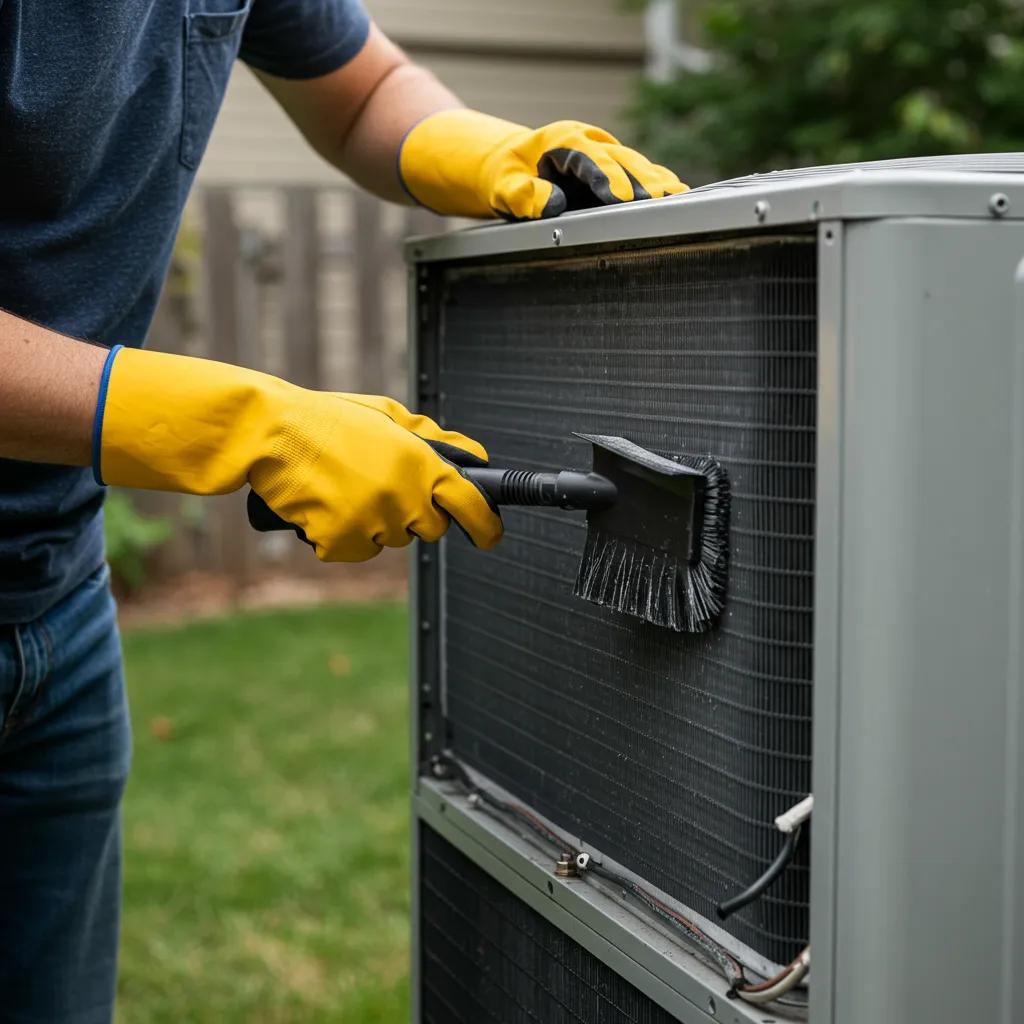
Cleaning condenser and evaporator coils prevents heat transfer inefficiencies that cause higher energy consumption and premature component wear. Condenser coils expel heat outdoors, while evaporator coils absorb heat from indoor air. For instance, lightly rinsing condenser fins with a garden hose every spring removes debris and preserves consistent cooling performance. For more information, check out our AC service options.
Before starting, always disconnect power at the outdoor unit’s breaker to avoid electrical hazards. Wearing protective gloves and eyewear further reduces risk, ensuring safe DIY HVAC upkeep. Regular coil cleaning enhances system capacity and sets the foundation for effective thermostat control.
Follow these core practices for outdoor unit care:
- Trim foliage and clear at least 600 mm of surrounding space.
- Remove debris from the top and around the base.
- Rinse coil surfaces gently to avoid bending fins.
- Straighten any bent fins with a fin comb.
Maintaining clear coils and unobstructed airflow readies your system for precise temperature management.
What Are the Best DIY Methods for Cleaning AC Condenser Coils?
DIY coil cleaning works best when using a soft brush to dislodge dirt before rinsing with low-pressure water. Applying a no-rinse coil cleaner and allowing it to foam can lift stubborn grime without the need for harsh chemicals. Completing this cleaning every spring encourages consistent heat exchange and extends component life.
When Should You Call a Professional for Evaporator Coil Cleaning?
Evaporator coil cleaning often requires specialized tools and cleaning agents to remove built-up mold and grease within the indoor unit. If you notice ice formation along the coil, persistently high humidity, or reduced cooling capacity despite clean filters, it is time to contact trained technicians. Professional service prevents damage to the coil assembly and maintains warranty coverage.
How Do You Keep Your Outdoor Unit Clear of Debris and Damage?
Seasonal maintenance of the outdoor unit involves inspecting the base pan for standing water, removing accumulated leaves, and checking for signs of corrosion. Placing a simple protective cover when the unit is dormant during winter shields it from salt spray and debris. Consistent debris removal supports reliable start-up and aligns with ductwork inspection best practices.
What Are Common Thermostat Issues and How Can You Troubleshoot Them?
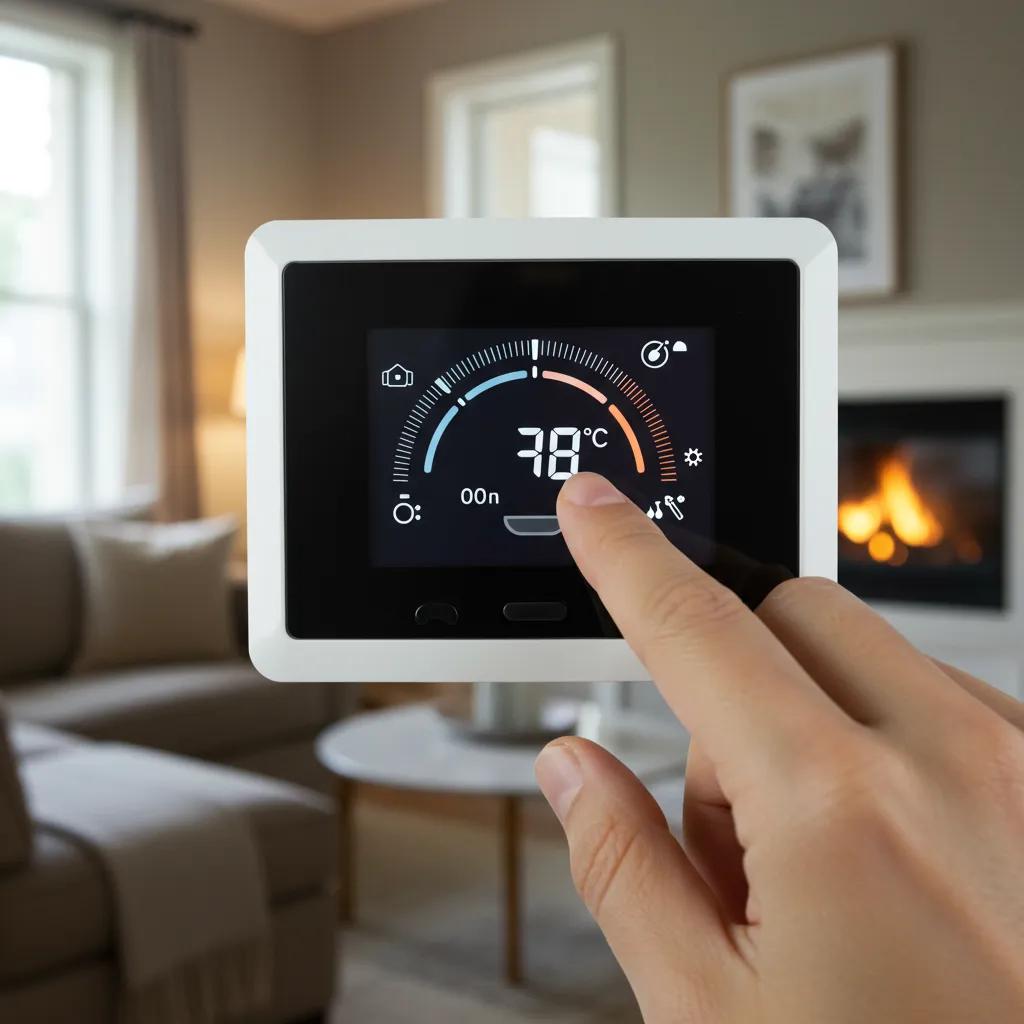
Thermostats regulate HVAC cycles and ensure indoor comfort, yet they can develop faults that undermine system performance. A misaligned temperature sensor or dead batteries can cause short cycling, leading to energy waste and uneven temperatures. For example, replacing alkaline batteries and recalibrating the setpoint often resolves intermittent display blanks or erratic heating signals.
Basic thermostat troubleshooting empowers homeowners to restore accurate temperature control before seeking professional service. Updating settings to match seasonal needs also prevents unnecessary runtime and reduces operating expenses. For more related information, you can check our heating services.
Key diagnostic checks include:
- Verifying current batteries and replacing them annually.
- Ensuring the thermostat is level and securely mounted.
- Resetting to factory defaults to clear erroneous configurations.
After confirming stable thermostat operation, attention naturally shifts to setting optimization for energy efficiency.
The history and function of domestic thermostats highlight their significant role in energy consumption and ongoing technological advancements.
History, Function, and Energy Impact of Domestic Thermostats
For over sixty years, domestic thermostats have translated occupants’ temperature preferences into heating and cooling system operations. In this intermediary role, the millions of residential thermostats control almost half of household energy consumption, which corresponds to approximately 10% of the nation’s total energy use. Thermostats are currently undergoing rapid development in response to emerging technologies, new consumer and utility demands, and declining manufacturing costs. Energy-efficient homes require more careful balancing of comfort, energy consumption, and health. At the same time, new capabilities will be added to thermostats, inc
Thermostat interface and usability: a survey, A Meier, 2010
How Do You Understand and Optimize Your Thermostat Settings?
Modern thermostats feature modes such as heat, cool, and auto that respond to seasonal demands. Utilizing programmable schedules to lower heating or cooling during inactivity prevents energy waste. Starting with a default 21 °C heating setpoint and 25 °C cooling setpoint, adjust by 1–2 °C increments to balance comfort and bill savings.
What Are Simple Troubleshooting Steps for Thermostat Problems?
When a thermostat fails to initiate heating or cooling, start by replacing batteries, checking circuit breakers, and verifying power wires remain secure. If the display is unresponsive, perform a soft reset by powering down the unit at the breaker for 60 seconds. Contacting a professional becomes necessary when heating repair service faults are suspected.
What Are the Benefits of Upgrading to a Smart Thermostat?
Smart thermostats learn occupancy patterns to automatically adjust temperatures, promoting energy savings of up to 12 percent annually. Remote access through smartphone apps provides convenient control and real-time alerts for filter changes. Integrating these advanced controls with Franks Air Conditioning and Heating’s installation expertise delivers both comfort and cost-effective management.
How Can You Inspect and Maintain Your Ductwork for Better Airflow?
Healthy ductwork supports consistent airflow and reduces energy losses caused by leaks or blockages. Sealing gaps and insulating exposed ducts prevents conditioned air from escaping into unconditioned spaces, which can otherwise waste 20 to 30 percent of system output. Performing a visual inspection reveals loose joints, disconnected segments, and areas of excessive dust buildup.
After identifying visible issues, sealing with UL-listed foil tape or mastic compound restores airtight pathways and supports optimal system pressure. This hands-on approach complements professional duct sealing services that Franks Air Conditioning and Heating provides for complex networks and hidden access areas.
A structured duct inspection includes:
- Checking main trunk lines and branch connections for separation.
- Feeling along duct surfaces for air leaks during operation.
- Assessing insulation condition and repairing torn sections.
Once airflow integrity is reestablished, it becomes easier to maintain clear vents and manage temperature distribution.
How Do You Perform a DIY Duct Inspection for Leaks and Blockages?
To inspect ducts, shut off the system and remove vent covers while wearing a dust mask. Shine a flashlight into accessible ducts, observing for visible debris and feeling for air gaps around seams. Using a mirror can help reveal hidden junctions, ensuring a thorough review before sealing.
Why Is It Important to Keep Vents and Registers Clear?
Obstructed vents and registers disrupt balanced airflow, causing some rooms to overheat while others remain cool. Clearing furniture, draperies, and built-in storage items from vent areas ensures uniform distribution of conditioned air. Maintaining unobstructed registers complements trunk sealing and maximizes overall HVAC efficiency.
When Should You Consider Professional Duct Sealing and Cleaning?
If you detect persistent hot or cold spots, unusual dust accumulation near vents, or noise from airflow turbulence, these indicate deeper duct issues. Engaging Franks Air Conditioning and Heating for professional sealing and cleaning restores ideal airflow and prevents indoor air quality problems, bridging the gap between DIY checks and comprehensive system care.
What Are the Warning Signs of Serious HVAC Issues You Should Never Ignore?
Ignoring warning signs of HVAC distress can lead to sudden system failure, costly repairs, and discomfort. A refrigerant leak, for instance, is marked by hissing sounds, ice formation on coils, and warm air during cooling cycles. These symptoms not only compromise performance but also indicate potential environmental hazards requiring immediate professional intervention.
Promptly addressing unusual noises and fluid leaks minimizes component damage and maintains safe operation. Recognizing these critical indicators aligns with scheduling emergency repairs and regular maintenance appointments to avoid prolonged downtime.
Early detection of serious issues supports efficient energy use and extends system life, setting the stage for ongoing efficiency enhancements.
How Can You Identify Signs of a Refrigerant Leak?
Refrigerant leaks manifest through diminished cooling capacity, frost buildup on lines or coil fins, and unexplained rises in electric consumption. Hissing or bubbling noises near refrigerant lines further confirm a breach. Once these signs appear, contacting certified technicians for safe refrigerant recovery and recharge is essential.
What Do Unusual HVAC Noises Indicate About Your System’s Health?
Grinding, clanking, or squealing emanating from motors and fans can signal worn bearings, loose components, or imbalanced blower wheels. Clicking or buzzing sounds at startup often suggest electrical issues or malfunctioning relays. Addressing noise sources promptly prevents collateral damage and prepares the system for regular tune-ups.
When Is It Time to Schedule Professional HVAC Maintenance or Emergency Repairs?
If you observe persistent temperature fluctuations, unusual odors, water pooling near the unit, or any of the warning signs above, arrange professional maintenance without delay. Franks Air Conditioning and Heating offers prompt emergency repairs and comprehensive inspections to restore system reliability and ensure safe operation.
How Does Regular HVAC Maintenance Improve Energy Efficiency and System Lifespan?
Routine HVAC maintenance enhances energy efficiency by 10 to 25 percent and lengthens equipment life through timely component checks. Clean filters reduce strain on fans, while cleared coils optimize heat transfer and lower compressor workload. A properly maintained system can last up to 20 percent longer, delaying expensive replacements.
Integrating filter changes, coil cleanings, and duct inspections into a seasonal maintenance plan minimizes energy waste and safeguards indoor comfort. Annual professional tune-ups by Franks Air Conditioning and Heating ensure that sensors, electrical connections, and refrigerant levels remain within manufacturer specifications.
What Are the Energy Efficiency Benefits of Routine Filter Replacement and Coil Cleaning?
Regular filter replacement and coil cleaning reduce energy consumption by preventing airflow restrictions and maintaining optimal thermal exchange. Studies show that a clean system operates up to 30 percent more efficiently, translating into significant utility bill savings over each cooling and heating season.
Why Is Annual Professional Tune-Up Essential Despite DIY Efforts?
Even with diligent DIY care, professional technicians detect hidden issues such as micro leaks, electrical degradation, and refrigerant imbalances that homeowners cannot easily spot. Annual tune-ups by Franks Air Conditioning and Heating preserve warranty conditions, uphold peak performance, and deliver peace of mind.
What Local HVAC Maintenance Tips Are Unique to Florida’s Climate?
Florida’s high humidity and coastal salt air create unique challenges that influence HVAC maintenance frequency and protective measures. Excess moisture encourages mold growth on evaporator coils and accelerates corrosion on outdoor unit components. For example, scheduling coil inspections bi-annually can prevent microbial buildup that affects indoor air quality.
Applying a corrosion-inhibiting spray to exposed metal surfaces wards off salt-induced rust, extending the outdoor unit’s durability. These localized practices ensure consistent operation despite Florida’s demanding conditions and connect directly to duct sealing and professional maintenance routines.
How Does Humidity Affect Your HVAC System and Maintenance Needs?
High humidity increases condensate production and invites mold growth in drip pans and ductwork. Regularly cleaning drain pans and checking condensate lines prevents water backups and microbial contamination. Maintaining correct humidity control via well-maintained coils supports both system efficiency and indoor health.
What Special Care Does Salt Air Require for Outdoor Units in Florida?
Salt air corrodes coil fins, brackets, and fasteners, diminishing heat transfer efficiency and risking structural damage. Applying protective coatings, rinsing units monthly, and installing sacrificial anodes help mitigate corrosion. These practices sustain optimal performance and dovetail with routine filter and coil maintenance.
How Can Franks Air Conditioning and Heating Help with Florida-Specific HVAC Challenges?
With deep local expertise, Franks Air Conditioning and Heating specializes in humidity management, corrosion prevention, and seasonal tune-ups tailored to Florida conditions. Their technicians perform targeted inspections, apply protective treatments, and deliver reliable emergency repairs, ensuring resilient operation year-round.
Maintaining simple tasks consistently supports system health, while professional services bridge the gap whenever advanced interventions become necessary.
Efficient DIY HVAC maintenance empowers homeowners to extend system lifespan and lower energy costs, and Franks Air Conditioning and Heating stands ready to provide expert support for any maintenance or repair need. For professional tune-ups, emergency repairs, or expert guidance on complex HVAC tasks, contact Franks Air Conditioning and Heating today.