


 (813) 804-COOL(2665)
How to Tell When Your Furnace Needs Maintenance — Key Signs and What to Do
Your furnace needs attention when performance, safety, or efficiency starts to slip. Catching problems early protects your home, keeps everyone comfortable, and saves money. This guide explains what routine maintenance covers, why timely service matters for combustion safety and energy use, and which simple checks homeowners can safely perform to decide between a tune-up and an emergency call. We cover the top warning signs — from odd noises and smells to yellow flames and higher energy bills — plus practical next steps and clear rules for when to call a technician. You’ll find flame-color tips, common causes of rising bills, fixes for uneven heating, and an emergency-versus-routine checklist that helps you act fast. The advice is aimed at homeowners in our Florida service area — including Zephyrhills, St. Cloud, Wesley Chapel, and Dade City — and includes guidance on when to contact a local qualified technician. Read on for clear symptom→cause→action guidance, safety-first rules, and why regular maintenance is a smart investment.
What Are the Top Warning Signs Your Furnace Needs Maintenance?
A warning sign is any observable symptom that a furnace component is failing, clogged, or running inefficiently. Spotting issues early reduces risk and cost. Watch for unusual noises, persistent odors, flame-color changes, uneven heating, and unexpected increases in your energy bills — each of these points to subsystems like the blower, burners, filter, thermostat, or heat exchanger. Early detection lets you perform safe, limited checks (filter, thermostat settings, vents) and decide whether to book a tune-up or call for urgent help. Below is a short list of the top signs and the immediate homeowner action to triage urgency.
- Strange or loud banging noises: check for loose panels and note whether it happens at startup.
- Squealing or grinding sounds: inspect the filter and vents; stop running the system if the noise continues.
- Burning or electrical smells: shut down the furnace and ventilate the area right away.
- Yellow or flickering flame visible in the burner window: treat as a combustion issue and stop using the system if it looks unsafe.
- Uneven heating or cold spots: check supply registers and thermostat zoning before calling a pro.
Each sign points to likely causes — for example, a bang at startup often comes from delayed ignition or thermal expansion rather than a failed heat-exchanger mount — and safety-related smells or flame issues should always be prioritized. The next sections break down two symptom clusters: noises (what different sounds usually mean) and smells (how the type of odor changes the response), so you can take safe, effective next steps.
What Do Strange Noises from Your Furnace Mean?
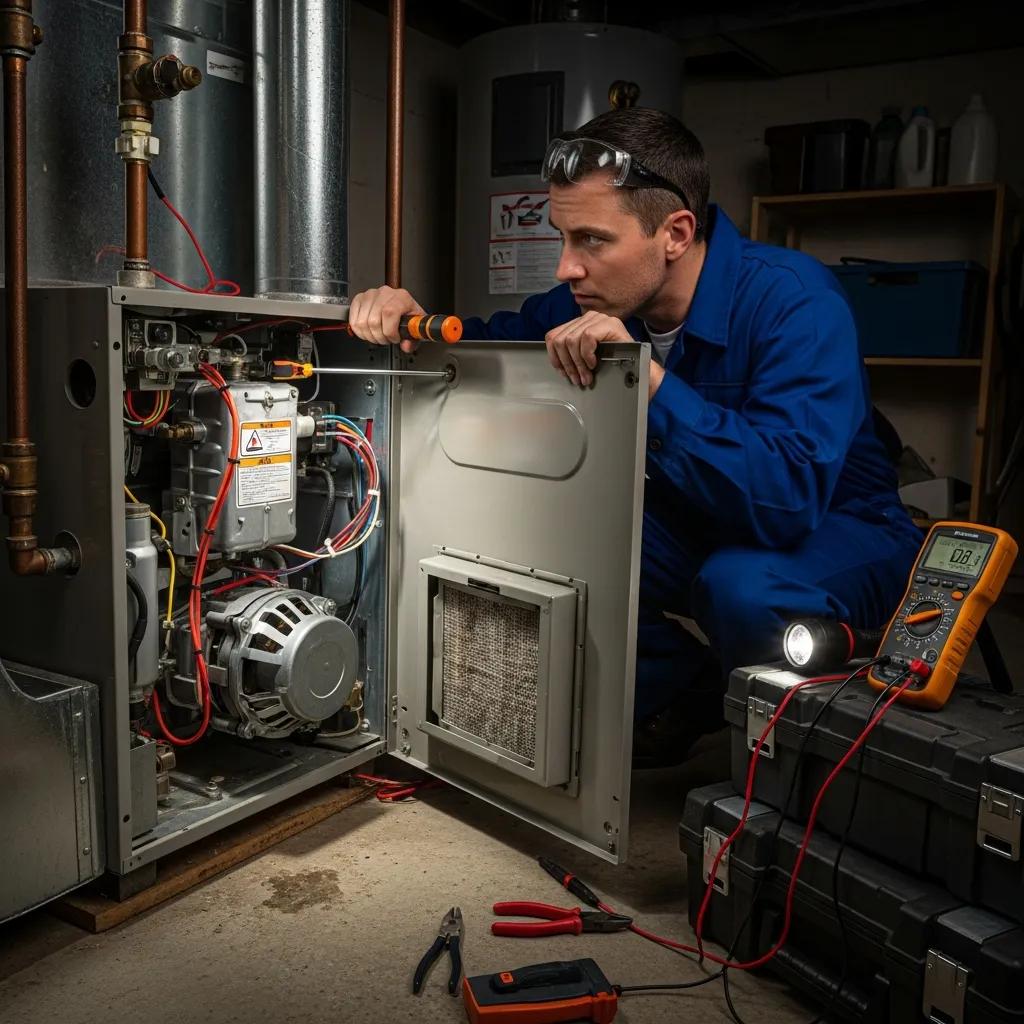
Noises from your furnace are useful clues to mechanical trouble and help prioritize repairs. A single loud bang at ignition usually indicates delayed ignition or gas buildup in the combustion chamber — a condition that stresses burners and the heat exchanger and needs a pro. High-pitched squeals often point to a worn blower motor bearing or slipping belt; rattling can come from loose panels, duct debris, or failing bearings. Those differences help you decide whether a quick filter and panel check is safe or if you should power down the system. Homeowners can safely tighten accessible panels and replace a visibly dirty filter, but persistent bangs, metallic grinding, or a sudden worsening of sound should trigger a service call to prevent damage and keep the system safe. Recognizing the pattern makes it easier to move on to the next diagnostic area: unusual smells and the safety steps they require.
How Can Unusual Smells Indicate Furnace Problems?
Smells give immediate safety information about combustion and electrical problems inside your heating system and can require fast action. A clear rotten-egg scent suggests a possible gas leak — evacuate, get fresh air, and call emergency gas services. A persistent burning smell usually indicates overheated electrical parts or a motor burning oil or plastic. Musty or moldy odors typically come from moisture in ducts or a clogged condensate pan; cleaning vents and improving ventilation can help, but an unclear source should prompt a professional inspection. Keep carbon monoxide detectors installed and working, and treat any combustion-related or unexplained chemical smell as high-severity until a qualified technician confirms it’s safe. From here, we move into flame-color diagnostics and combustion checks.
| Symptom | Likely Cause | Immediate Action / Severity |
|---|---|---|
| Banging at startup | Delayed ignition or gas buildup | High: Stop use and call a technician |
| Squealing/grinding | Worn blower motor or belt | Medium: Replace filter; call if it persists |
| Burning electrical smell | Overheated wiring or motor | High: Power down and get professional help |
| Musty odor | Duct mold or moisture | Medium: Clean vents; schedule inspection |
| Yellow or flickering flame | Incomplete combustion | High: Ventilate, shut down, and call a pro |
This triage table helps you decide which symptoms allow safe homeowner checks and which demand immediate professional intervention. Next up: flame color and combustion safety.
How Does a Yellow Furnace Flame Signal a Maintenance Issue?
A yellow furnace flame usually means incomplete combustion, commonly caused by dirty burners, poor ventilation, or an incorrect gas-air mix. That reduces efficiency and can raise carbon monoxide risk. A healthy gas flame burns mostly blue; soot, dirt, or blocked air intakes can shift the flame toward yellow and make it flicker, creating byproducts that hurt efficiency and safety. Checking flame color is a quick way to assess combustion health: a steady blue flame is a good sign, while a sustained yellow flame warrants prompt professional inspection. Because flame-color issues affect combustion efficiency and CO risk, the next sections explain safety implications and step-by-step homeowner responses that reduce immediate danger and prepare the information a technician will need.
What Does a Yellow or Flickering Flame Mean for Safety?
A yellow or flickering flame increases the chance of carbon monoxide production because incomplete combustion can create CO when fuel doesn’t burn fully — this is a clear safety concern. Causes include clogged burner ports, improper venting, or a cracked heat exchanger that lets combustion gases mix with house air; any of those raise CO risk and require a professional combustion analysis. If a CO detector sounds, evacuate immediately. If you see persistent yellow flames but your detector hasn’t alarmed, ventilate the area and don’t run the furnace until a certified technician inspects it. Working carbon monoxide detectors combined with recognizing flame discoloration greatly reduce the risk of undetected CO buildup.
How Should You Respond to Flame Color Changes?
If you see a yellow or unstable flame, follow safety-first steps: open windows to ventilate, turn off the furnace at the thermostat or breaker if it’s safe to do so, and avoid using the appliance until it’s inspected. Don’t try to adjust gas valves or inside burner parts yourself — combustion tuning and heat-exchanger checks are job for a qualified technician. If you smell gas or a CO alarm goes off, evacuate and call emergency services immediately rather than waiting. After you’re safe, note what you observed (flame color, smell, noise) so you can give clear details to the technician and speed up diagnosis.
Why Are High Energy Bills a Sign Your Furnace Needs Attention?
Rising energy bills often signal reduced furnace efficiency from wear, airflow restrictions, or combustion problems; finding the root cause restores comfort and lowers costs. If your furnace runs longer to reach the same temperature, increased runtime and short-cycling directly raise fuel use. Common causes include dirty air filters, failing blower motors, thermostat calibration issues, duct or vent leaks, and combustion inefficiencies that reduce heat output per unit of fuel. The table below compares typical causes, how they affect energy use, and suggested fixes so you can see where the savings come from and what homeowners can do.
The table below compares common furnace inefficiency causes, the failing attribute, and the practical value of fixing each issue.
| Cause of Inefficiency | Component or Attribute | Effect on Energy Use / Suggested Fix |
|---|---|---|
| Dirty air filter | Airflow restriction | Increases runtime by 5–15%; replace filter regularly |
| Failing blower motor | Reduced airflow | Lowers heat delivery; repair or replace motor |
| Short-cycling | Thermostat/control issue | Frequent starts increase fuel use; tune controls |
| Duct leaks | Distribution loss | Lost heat raises consumption; seal and insulate ducts |
| Poor combustion | Dirty burners/venting | Lowers heat per fuel unit; professional combustion tune-up |
Small maintenance fixes often deliver measurable savings — fixing several at once adds up to noticeable monthly reductions. The next two subsections explain why maintenance reduces costs and which practical steps improve furnace efficiency so you can prioritize action.
How Does Poor Furnace Maintenance Affect Energy Costs?
Neglecting maintenance reduces combustion and distribution efficiency, forcing the furnace to run longer or cycle more often and directly increasing fuel or electricity use. A clogged filter restricts airflow, making the blower work harder and increasing run times; short-cycling raises the number of starts and stops, which is inefficient and accelerates wear. A miscalibrated thermostat or one placed near a heat source causes inaccurate cycles, while duct leaks let heated air escape. Understanding those mechanisms helps homeowners focus on the highest-impact fixes first and prepares a clear list of observations for technicians.
What Steps Can Improve Furnace Efficiency?
Improving efficiency mixes safe homeowner tasks with professional services that restore combustion and airflow. Do-it-yourself steps include replacing or cleaning the air filter regularly, programming the thermostat correctly, keeping vents open and unobstructed, and checking attic and crawlspace insulation to reduce heat loss. Professional services include blower-motor servicing, combustion tuning, duct sealing and insulation, and control-system calibration — these often pay for themselves over time through lower bills. For ongoing protection, maintenance plans bundle scheduled inspections and priority service — Franks Air Conditioning & Heating offers options and can explain how regular tune-ups turn into measurable savings and fewer emergency repairs.
What Does It Mean When Your Furnace Is Not Heating Your Home Properly?
When your furnace isn’t heating properly, the issue lies in heat generation, distribution, or controls. Finding which subsystem is failing helps you decide whether a safe DIY check will do or if you need a technician. Symptoms range from uneven room temperatures and cold spots to weak airflow or no heat at all. Likely causes include thermostat errors, blocked returns, duct leaks, failing blowers, ignition problems, or control-board faults. Start with a structured troubleshooting approach — check thermostat settings and batteries, inspect filters and vents, and verify breakers and pilot/ignition status — to find safe homeowner actions before calling a pro. The subsections below guide you through diagnosing uneven heating and weak-airflow or no-heat scenarios so you can follow prioritized, safe steps.
How to Identify Uneven Heating and Cold Spots?
Uneven heating and cold spots usually come from airflow imbalance, duct leaks, insulation gaps, or zoning control issues. Identifying the pattern narrows the likely cause. Measure vent temperatures in affected rooms, make sure supply registers are open and unobstructed, and check thermostat placement and settings — sometimes a closed vent or a couch blocking a register is the culprit. If cold areas persist with open vents, suspect ductwork problems (leaks, collapsed insulation, poor balancing) or the building envelope (insufficient attic insulation). Document which rooms are cold and when (day or night, during runtime) to help a technician prioritize duct sealing, balancing, or insulation work during service.
What Causes Weak Airflow or No Heat from Your Furnace?
Weak airflow or a loss of heat can come from blown fuses, tripped breakers, failed blower motors, clogged filters, ignition failures, or safety switches that prevent operation — each has distinct signs. If the blower runs but airflow is weak, check the filter, vents, and returns first. If the blower doesn’t run at all, it’s likely an electrical or motor problem that needs a professional. Ignition or pilot issues often show repeated ignition attempts followed by lockout, while safety switches triggered by high-limit conditions point to restricted airflow or heat-exchanger problems. When you find electrical faults, persistent ignition failure, or repeated safety-switch trips, schedule prompt professional repair to avoid further damage or unsafe operation.
| Issue Observed | Probable System Area | Homeowner Check / Severity |
|---|---|---|
| Weak airflow | Blower/filter/ducts | Check filter and vents; medium severity |
| No blower operation | Electrical/motor | Check breaker; high severity if motor is silent |
| No heat but blower runs | Ignition/control | Check thermostat mode; call technician if it persists |
| Repeated lockout | Ignition or gas valve | High severity: call a pro to diagnose control or gas valve |
This focused problem→cause→action mapping sets up the key decision: when to call for professional maintenance or emergency repair, which we cover next.
Frequently Asked Questions
What are the common causes of a furnace not heating properly?
A furnace may fail to heat properly due to several issues, including thermostat malfunctions, blocked air returns, duct leaks, or ignition problems. If the thermostat is set incorrectly or has dead batteries, it may not signal the furnace to operate. Blocked returns can restrict airflow, while duct leaks can lead to heat loss. Additionally, ignition issues can prevent the furnace from generating heat altogether. Conducting a systematic check of these components can help identify the problem before calling a technician.
How can I improve the air quality in my home with my furnace?
Improving indoor air quality can be achieved by regularly replacing or cleaning your furnace’s air filter, which helps trap dust, allergens, and pollutants. Additionally, ensuring that air ducts are clean and free of debris can enhance airflow and reduce contaminants. Consider using a high-efficiency particulate air (HEPA) filter for better filtration. Installing a humidifier can also help maintain optimal humidity levels, which can further improve air quality and comfort in your home.
What should I do if my furnace is short-cycling?
Short-cycling occurs when a furnace turns on and off frequently without completing a full heating cycle. This can be caused by a miscalibrated thermostat, dirty air filters, or airflow restrictions. Start by checking and replacing the air filter if it’s dirty. Ensure that vents are open and unobstructed. If the problem persists, it may indicate a more serious issue, such as a malfunctioning blower motor or thermostat, which requires professional assessment and repair.
How can I tell if my furnace is energy efficient?
To determine if your furnace is energy efficient, check its Annual Fuel Utilization Efficiency (AFUE) rating, which indicates the percentage of fuel converted to heat. A higher AFUE rating (above 90%) signifies better efficiency. Additionally, monitor your energy bills; a sudden increase may indicate inefficiency. Regular maintenance, such as cleaning burners and checking for leaks, can also help maintain efficiency. If your furnace is older, consider upgrading to a newer, more efficient model for better performance and savings.
What are the signs of a gas leak from my furnace?
Signs of a gas leak from your furnace include a distinct rotten-egg smell, which is added to natural gas for safety. You may also notice hissing or whistling sounds near the furnace or see dead vegetation around the exhaust area. If you suspect a gas leak, evacuate the area immediately, avoid using electrical devices, and call emergency services. It’s crucial to have a qualified technician inspect your furnace to ensure safe operation and address any leaks promptly.
When is it necessary to replace my furnace?
Consider replacing your furnace if it is over 15-20 years old, requires frequent repairs, or shows signs of inefficiency, such as rising energy bills or inconsistent heating. Additionally, if your furnace has a low AFUE rating or produces unusual noises or smells, it may be time for an upgrade. Newer models offer improved efficiency, safety features, and better performance, which can lead to long-term savings on energy costs and maintenance.
What should I do if my furnace is making strange noises?
First, note the type of sound. Loud banging can point to delayed ignition, while squealing often means a worn blower motor. Check for loose access panels and a dirty filter. If the noise continues or gets worse, turn off the furnace and call a qualified technician for an inspection — that prevents further damage and keeps your system safe.
How often should I schedule furnace maintenance?
We recommend annual furnace maintenance, ideally before the heating season. Regular inspections help catch issues early, keep your system efficient, and reduce the chance of unexpected breakdowns. Technicians will clean and check key components, replace filters as needed, and perform safety tests that extend equipment life.
Can I perform maintenance on my furnace myself?
Homeowners can do basic tasks like replacing or cleaning air filters, checking thermostat settings, and keeping vents clear. But complex work — inspecting the heat exchanger or performing combustion analysis — should be left to qualified technicians. Attempting those tasks without training can create hazards, including carbon monoxide leaks. When in doubt, call a professional.
What are the benefits of enrolling in a furnace maintenance plan?
A maintenance plan offers scheduled inspections, priority service, and often discounts on repairs. Plans help ensure your furnace gets regular attention, which reduces emergency calls and extends equipment life. They also include safety checks that lower CO risk and improve efficiency, which can lower your energy bills over time.
Conclusion
Knowing the signs that your furnace needs maintenance keeps your home safe, comfortable, and more affordable to heat. Address strange noises, odd smells, and rising energy bills early to avoid costly repairs and improve performance. Don’t wait for an emergency — schedule a routine inspection with a qualified technician and consider a maintenance plan to keep your system reliable. Contact us to learn more about our maintenance options and keep your home warm and safe all season.